Blog

1 Aug
2009
Posted in: Articles
By    No Comments

Apple Valley Orthodontist Uses Braces to Assist in Treating Cleft Lips, Palates

August 1, 2009- ST. PAUL AND MINNEAPOLIS, MINNESOTA – When a child is born with a cleft lip or cleft palate, repairing the problem means more than a cosmetic improvement.

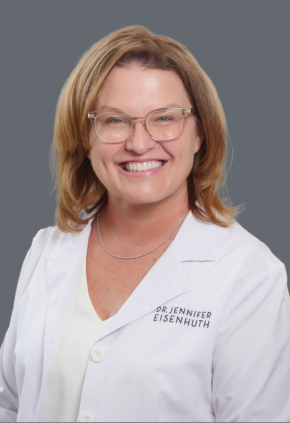
The condition causes problems with swallowing, eating and breathing in the short term, but can lead to additional problems in a child’s skeletal and dental development that may require orthodontic treatment to correct, said Apple Valley Orthodontist Dr. Jennifer Eisenhuth, who often treats patients with cleft lip or cleft palate.

What is a Cleft Lip/Palate?
If you touch the roof of your mouth with your tongue, you will feel a “seam” that goes from behind your front teeth to the rear of your mouth. That seam was created when the palate grew together, Eisenhuth said. A cleft palate occurs when the palate fails to grow together properly during development and a gap or split is created.

Similarly, a cleft lip means that there is a split in the upper lip. Children can be born with a split on one or both sides of the lip, which can create a wider opening into the nose. A baby’s lips and palate don’t develop at the same time, so it is possible for a child to be born with either abnormality or both of them, she said.
Cleft lips and cleft palates are common and occur in almost two out of every 1,000 babies born annually in the United States. This can be hereditary or part of a syndrome, but the cause frequently is unknown and therefore unpreventable, according to www.kidshealth.org (http://kidshealth.org/kid/health_problems/birth_defect/cleft_lip_palate.html)

Children born with cleft lip and/or cleft palate often have dental problems with the upper gum or palate. Problems can include crooked, missing, extra or small teeth. These problems may require orthodontic treatment to correct and sometimes can require surgery to obtain optimum results.

Orthodontic Treatment for Cleft Lip/Palate
Some cleft lip/cleft palate treatments begin immediately after birth. There are some pre-surgical orthodontic treatments that can be done during infancy, Eisenhuth said.
Surgically repairing the lip and/or palate helps fix the problem initially, but also creates secondary growth disturbances.

Surgeries performed while patients are babies have a tendency to affect anterior and lateral dental and skeletal growth, especially in the upper jaw. For example, repairing cleft lip make cause the quick transverse narrowing of the anterior arch, according to www.dentalresource.org, a pediatric dental health Web site (http://dentalresource.org/topic61cleftpalateorthodontics.html).

The tendency to develop a crossbite increases after patients undergo palate surgery if palatal scar tissue affects the natural widening of the upper jaw arch, the site stated. Palatal scar tissue also can affect the upper jaw’s routine forward and downward  translation.
Phase I orthodontic devices such as palatal expanders and palatal retainers may be employed after surgery to address alignment and expansion as the child’s baby teeth erupt, Eisenhuth said.

There are several other stages in a child’s life when orthodontic treatment can be performed to help correct the effects of cleft lip and cleft palate, Eisenhuth said. At around age 4 to 5, an orthodontist may want to take X-rays, models and photos of the child’s mouth to aid in evaluation.

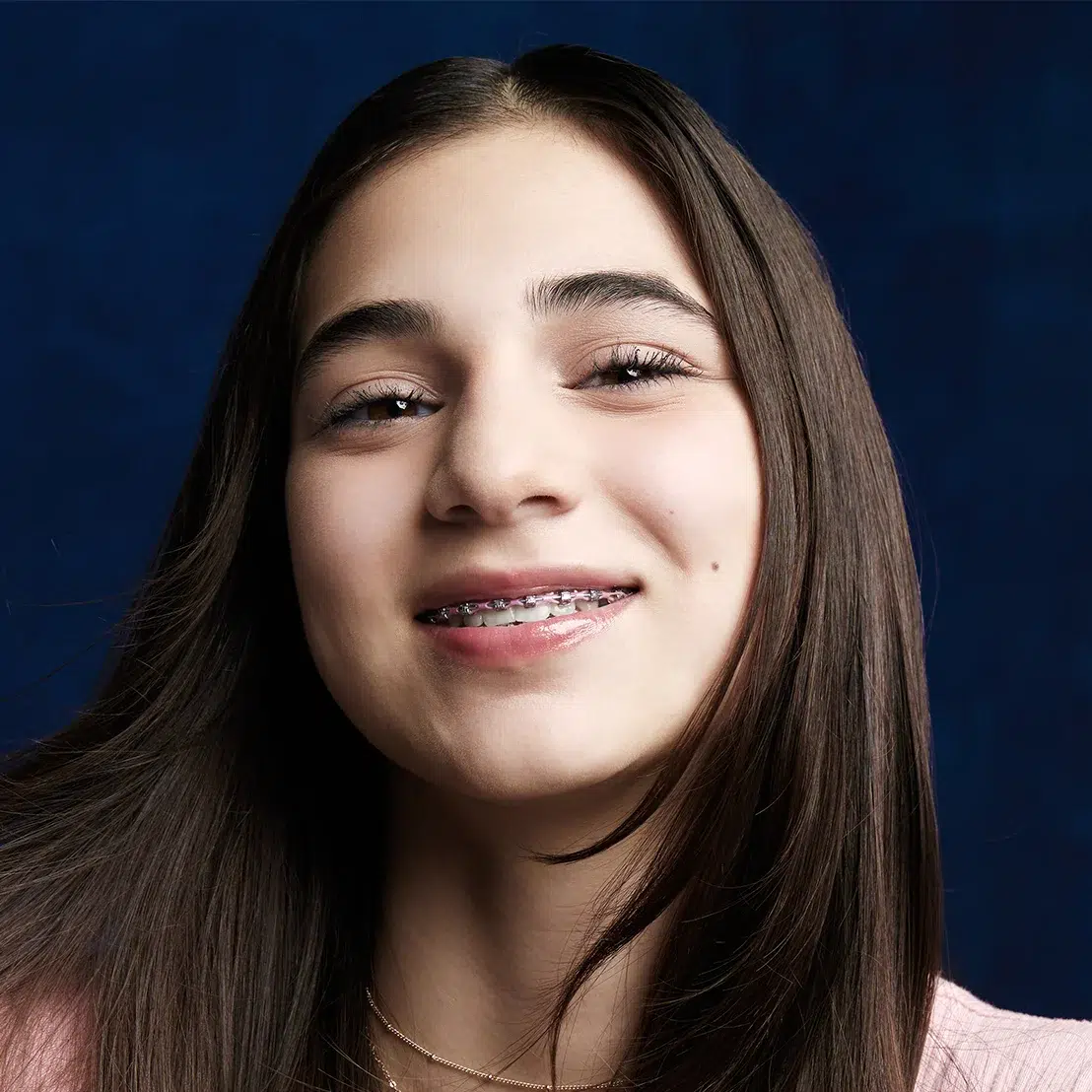
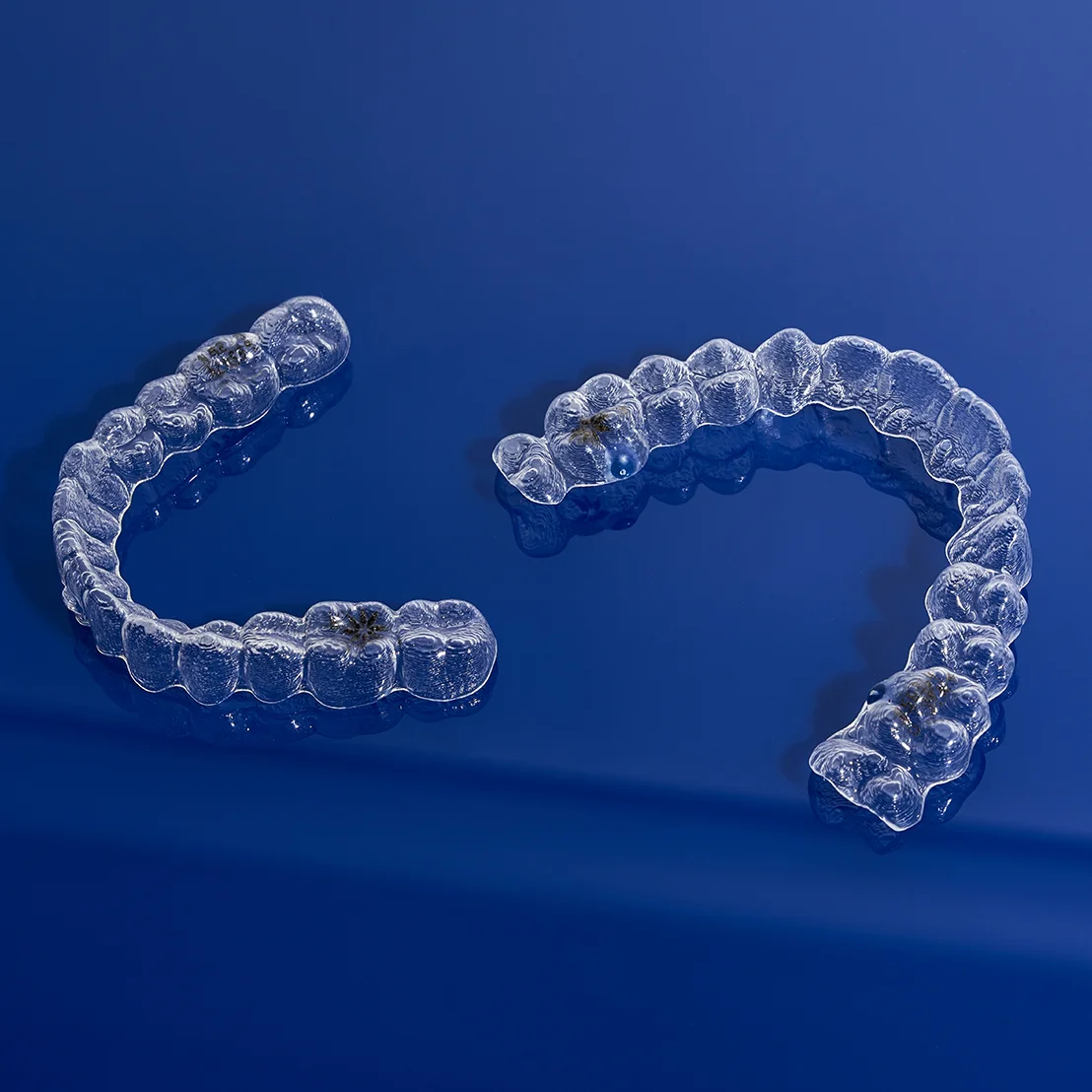
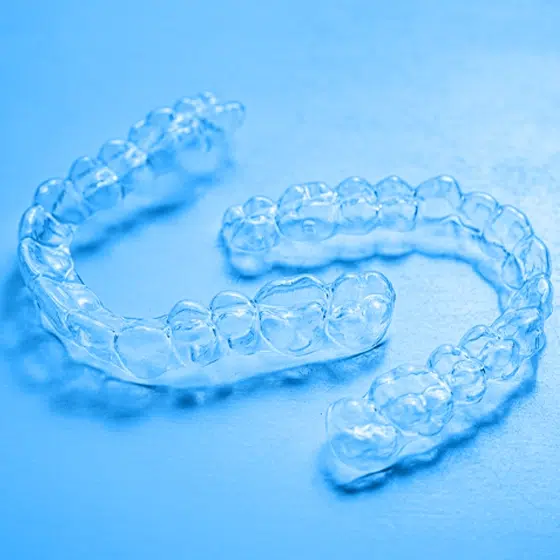
If bone grafting is necessary, that typically is done between ages 8 and 10. Treatment to correct the child’s permanent teeth can be addressed after surgery through Phase II orthodontics, including full braces or Invsalign, typically done between ages 12 and 15.

“In cases where orthognathic surgery is required, orthodontic treatment usually begins about nine months prior to the surgery,” Eisenhuth said.  “Following the surgery, the braces are maintained for six to eight months to direct the healing.”

Learn More

If you would like to learn more about orthodontic treatment for cleft lip/cleft palate, you want to learn more about the Apple Valley, Minnesota orthodontics practice of Dr. Jennifer Eisenhuth or you would like to schedule a consultation with her, please call: (651) 406-8100 or visit her Web site: www.doctorjennifer.com.

About Dr. Jennifer Eisenhuth
Dr. Eisenhuth attended the University of Minnesota Dental School and graduated in the top of her class. She earned the Minnesota Association of Orthodontic Achievement Award and several academic achievement awards. She entered her orthodontic residency at the University of Minnesota and earned a certificate in orthodontics and a Master of Science degree.

Dr. Eisenhuth is a Diplomate of the American Board of Orthodontics.
She takes pride in caring for the orthodontic needs of residents in the Twin Cities- St. Paul and Minneapolis, and their surrounding regions, including Mendota Heights, Inver Grove Heights, Burnsville, Apple Valley and Eagan, Minnesota.
Her office is located at 3340 Sherman Court, Eagan, Minn., 55121.

© 2009 Sinai Google for SEO Marketing and Dr. Jennifer Eisenhuth. Authorization to post is granted, with the stipulation that Sinai Marketing is credited as sole source. Linking to other sites from this article is strictly prohibited, with the exception of herein imbedded links.

-end-

So, what do you think?